



Deadstock Clothing: Reduce Excess Inventory with Smart Logistics
Top posts


Running a clothing brand? Then you've have dealt with excess inventory sitting around longer than you planned. That pile of unsold merchandise? That's deadstock, and it's one of the most frustrating problems in fashion commerce.
Let's look at why deadstock happens, what it costs your business, and how smart logistics can help you solve it.
Why Deadstock is a Major Concern for Apparel Retailers
Here's the thing about deadstock, it touches almost every part of your operation. You're not just dealing with products that didn't sell. You're managing warehouse space that could be used for better-performing items. You're trying to track inventory across multiple sales channels. You're handling returns that might or might not be resellable.
Behind all of this is a simple truth: every piece of clothing sitting unsold is costing you money.
Operational Challenges
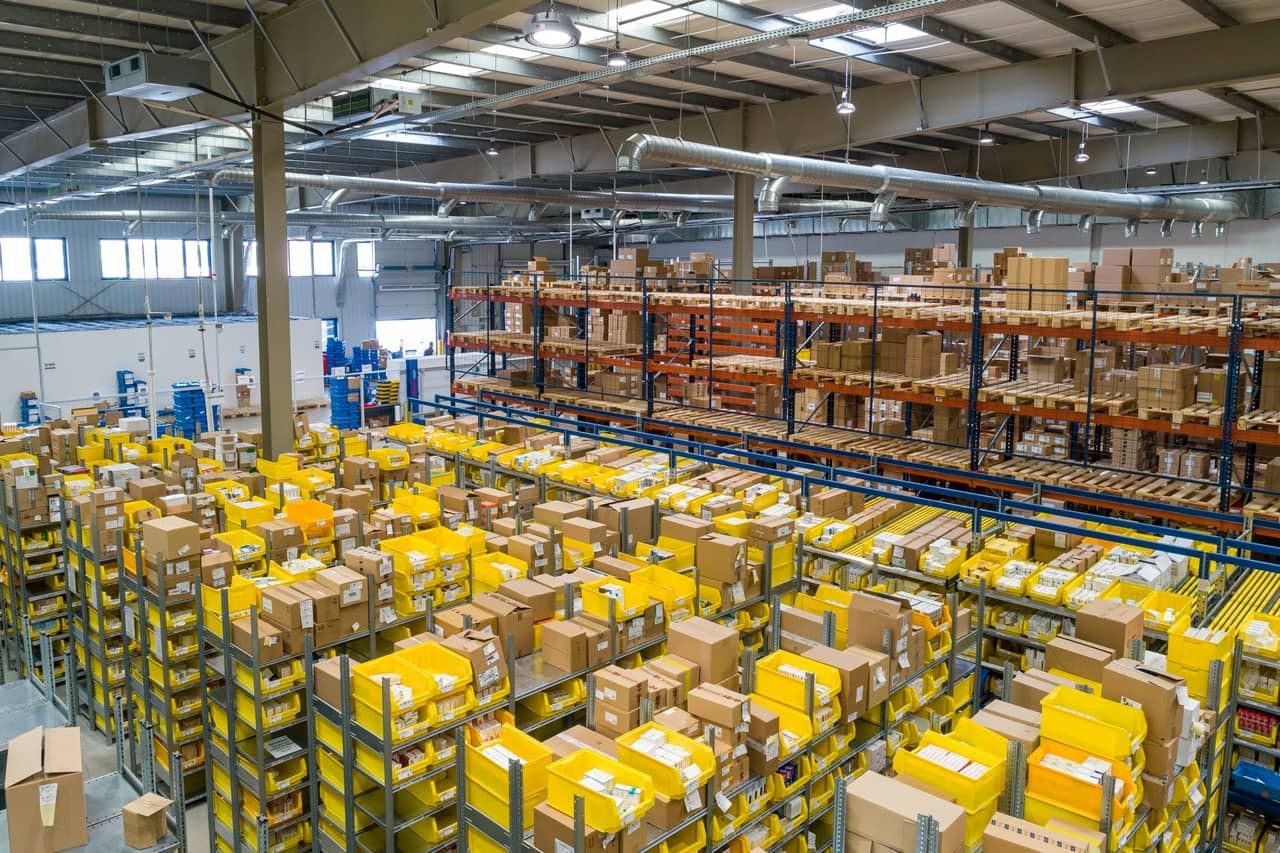
Storage costs pile up fast. When products don't sell, they still need a place to live. That warehouse space isn't free, you're paying rent on square footage occupied by merchandise generating zero revenue. It's like paying for a gym membership you never use, except the monthly fee is substantially higher.
The visibility problem gets messy quick. When deadstock mixes with active inventory, tracking everything becomes a nightmare. Which items are selling? Which need marking down? Without clear systems, you're making decisions based on incomplete information. You might be restocking items that are already overstocked while running low on actual bestsellers.
Multi-channel distribution adds layers most brands don't anticipate. Some deadstock might sell through your e-commerce site with a discount. Others could work at outlet stores or through wholesale partners. Coordinating fulfillment across all these channels while managing regular inventory? That takes serious operational muscle.
Returns create their own challenges:
- Determining what can go back to regular inventory
- Evaluating condition quickly and consistently
- Updating inventory counts in real-time
- Deciding between restocking, discounting, or disposal
One brand we know was spending three days processing returns that should have taken three hours.
The reporting challenge ties everything together or fails to. When you can't see clear data on what's selling and what's not, forecasting becomes unreliable. Spreadsheets multiply. Numbers conflict. Decisions get delayed because nobody trusts the data.
Financial Impact of Deadstock
Now let's talk about what this really costs you.
Tied-Up Capital
Every dollar spent on inventory that becomes deadstock is a dollar you can't spend on something else. If you spent $50,000 on merchandise that's now sitting unsold, that's $50,000 you can't use to order new styles, run marketing campaigns, or invest in growth. Finance teams call this "trapped capital," and it's one of the fastest ways to strangle growth.
The Hidden Cost: Storing deadstock costs about 20-25% of the item's value per year. That includes warehouse rent, utilities, insurance, and labor to manage it.
Got $100,000 in deadstock? You're spending roughly $20,000-$25,000 annually just to keep it around.
Opportunity Cost Hurts Most
While your warehouse is full of unsold inventory, you might have to pass on ordering new products that could actually sell. You're limited by both capital and space. Deadstock prevents you from making money on better opportunities.
What Causes Deadstock in Fashion Commerce
Understanding why deadstock happens is the first step to preventing it.
Inaccurate Forecasting
You thought those hoodies would fly off the shelves. Maybe you saw strong pre-orders, so you ordered 5,000 units. Then actual demand topped out at 3,000. Now you've got 2,000 extra hoodies taking up space.
An estimated 2.5–5 billion garments were produced in excess in 2023, representing $70–$140 billion in potential sales lost to overstock.
Many brands overestimate demand because they're excited about a product or they're trying to hit minimum order quantities from manufacturers. That excitement is understandable, you believe in your product. But belief doesn't always match market reality.
Seasonality and Trend Chasing
Fashion moves fast, sometimes too fast for your supply chain to keep up. What's hot in March might be irrelevant by May.
Trends present an even bigger challenge. You see a trend emerging on social media, design something to capture it, manufacturing takes six weeks and shipping takes another three weeks. By the time your product arrives, the trend has moved on
This is particularly tough for smaller brands that can't produce and ship as quickly as larger competitors with more resources.
Shifting Consumer Preferences
Colors that were popular last season might not resonate this year. Fits change. Styles evolve. One season everyone wants oversized fits, the next season it's back to slim cuts. If you're producing based on past performance without staying plugged into current preferences, you'll end up with merchandise people simply don't want anymore.
Operational Mismanagement
Sometimes the problem is internal. Poor communication between sales and inventory teams means orders get placed without checking what's already in stock. Lack of visibility leads to duplicate ordering. Not having clear processes for markdowns means products sit longer than they should. These operational gaps turn normal inventory challenges into serious deadstock problems that could have been avoided.
Understanding why deadstock occurs is just the first step. The real difference comes from how you manage inventory. Streamlined workflows, precise stock visibility, and structured fulfillment turn a recurring headache into a manageable process.
Logistics Solutions for Streamlining Deadstock Management
As logistics in fashion industry evolves under new operational pressures, smarter fulfillment practices are becoming one of the quiet fixes for deadstock.
Smarter Stock Organization
The foundation starts with knowing exactly what you have and where it is. Sounds basic, right? But you'd be surprised how many brands don't have this dialed in.
Structured warehousing systems organize products by:
- SKU and product type
- Seasonal relevance
- Sales velocity
- Age of inventory
Fast-moving products stay easily accessible for fulfillment. Deadstock candidates get grouped separately so you can easily pull them for liquidation or clearance sales.
Regular cycle counts keep data accurate and help you spot problems early. When certain SKUs aren't moving, you can take action before the problem compounds. Maybe those items need a promotional push. Maybe they need to move to clearance immediately. But you can't make those decisions if you don't know what's sitting on your shelves.
Clearance Strategies
Different deadstock items work better in different channels. Recognizing this opens up options for moving inventory faster. Leveraging omnichannel fulfillment can help coordinate inventory across e-commerce, outlet, and wholesale channels, ensuring products reach the right buyers quickly.
Channel Strategy
- E-commerce clearance works for moderate discounts (30-50% off)
- Outlet stores handle products needing deeper discounts
- Wholesale liquidators buy bulk lots quickly
- Flash sale platforms attract bargain hunters actively looking for deals
The challenge is execution. You need systems that can route inventory to the right place, process orders from multiple channels, and update inventory in real-time so you don't oversell.
Smooth Returns Handling
Returns can either become deadstock or go back into sellable inventory depending on how efficiently you handle them.
When a returned item comes back, it needs:
- Condition inspection
- Cleaning or repair if needed
- Decision on restocking versus clearance
Return handling breaks down when processes are fragmented. Dedicated systems and structured workflows make the difference, which is why return management services are increasingly used to standardize evaluation, speed up decisions, and reduce unnecessary inventory loss.
Clear rules eliminate hesitation:
- Returned sweater with a loose thread? Easy fix, back to regular inventory
- Sweater with a stain that won't come out? Straight to clearance or donation
This keeps your reverse logistics flowing smoothly without bottlenecks.
Data Driven Predictions
Data becomes your competitive advantage when preventing deadstock. Sales patterns reveal what causes excess inventory in your specific business.
You might discover:
- Consistent overordering of certain sizes
- Items introduced in specific months underperform
- Certain product categories have lower sell-through rates
This analysis informs better buying decisions. If you historically sell through 85% of basic tees but only 60% of graphic tees, adjust order quantities accordingly. One brand discovered they were ordering twice as many XL sizes as needed because of manufacturer minimums. Once they knew this, they negotiated different terms and cut their XL deadstock by 65%.
Key Insight: If your manufacturing lead time is 90 days, you need to forecast demand 90+ days out. The longer your lead time, the more accurate your predictions need to be.
Advanced analytics and reporting within fulfillment operations provide actionable insights, letting brands make smarter, informed purchasing and stocking decisions.
Sustainability and Responsible Handling
What happens to deadstock you truly can't sell through normal channels?
Responsible Options:
- Donation programs that get products to people who need them (with potential tax benefits)
- Recycling programs that break down textiles into raw materials
- Secondary marketplaces connecting brands with discount buyers
These aren't just feel-good options, they're practical solutions that clear warehouse space while maintaining brand values. Consumers increasingly care about sustainability. Demonstrating responsible handling can strengthen your brand reputation.
From a logistics standpoint, having clear channels for unsellable deadstock means warehouse space opens up faster.
Moving Forward with Better Deadstock Management
Deadstock happens to every clothing brand at some point. Market conditions change. Forecasts miss the mark. Trends shift faster than expected.
The difference between brands that struggle and those that manage it well comes down to logistics capabilities and operational systems.
Specialized apparel fulfillment services with strong systems turn deadstock from a major problem into a manageable challenge. These systems don't eliminate deadstock entirely (nobody can promise that), but they minimize its financial impact and give you tools to respond quickly.
See more articles


%20(1).jpg)

.png)


