


How to Fix Overstock and Stockouts in Apparel Inventory Management
Top posts


Apparel inventory management is the process of tracking, planning, and controlling clothing stock from inbound receipts through final shipment. That sounds simple until a brand starts carrying the full size-color-style matrix across multi-channel orders. A single hoodie is never just one SKU. It might be 30.
Most brands hit the same wall as they grow. They end up with too much inventory in the wrong sizes or colors, while the items shoppers actually want go out of stock. That is what makes apparel inventory management harder than many other product categories.
In this guide, we will look at how better demand forecasting, smarter replenishment rules, tighter warehouse execution, and the right technology can help reduce inventory problems.
Common Causes of Overstock and Stockouts in Fashion Retail
Most overstock and stockout problems do not start with one bad purchase order. They come from a chain of small misses across planning, inventory visibility, and warehouse operations. That is why apparel overstock and stockouts often occur at the same time.
Unstable Demand Patterns in Apparel
Apparel demand can change fast. A weather shift or a paid campaign can move sales in a matter of days. If a team buys based on instinct or last year’s numbers, it can miss what is happening now.
A simple example:
- One new dress takes off on social and sells out in medium and large sizes in the first week.
- Another dress barely moves.
- If both were bought the same way, the brand ends up with cash tied up in the wrong item and missed sales on the right one.
That is an inventory problem, not just a merchandising one.
Size and Color Imbalance Across SKUs
A style can perform well overall and still be out of balance. That happens when teams plan at the style level and do not closely examine demand for size and color.
Common pattern:
- Slow-moving fringe sizes pile up.
- Less popular colors don’t sell.
- Core sizes like small and medium sell out first.
- Strong colors like black or navy often go out of stock.
The style may still show as in stock, but the customer sees her size missing. That is still a stockout.
Weak Replenishment and Reorder Planning
Many apparel brands still reorder by spreadsheet. One person checks sales. Another checks lead times. Then someone places a PO based on what feels safe.
That usually leads to two problems:
- The team buys too much “just in case” and builds apparel overstock.
- Reorder levels stay fixed even when seasonality, launch timing, or lead times change.
Reorders often follow total style sales, even when the real problem is one fast-selling size and color.
The fix is reorder points that move with live demand instead of a fixed monthly check. When available-to-sell, recent sell-through, and vendor lead time all feed the reorder logic, a fast-moving SKU flags before it runs dry, core basics stay on automated rules, and seasonal or limited styles get lighter ones. The payoff is fewer "sold out of medium in week two" moments and less cash parked in slow sizes.
That is the difference between reacting in days and reacting in weeks, and it only works when replenishment runs on real-time inventory data rather than a spreadsheet pulled once a month.
Fragmented Inventory Across Channels
Inventory gets harder to control once a brand sells in more than one place. Shopify may show low stock. Amazon may still have units. Wholesale may have cartons reserved for a retailer's order.
The stock exists, but no one has a full view:
- One channel oversells.
- Another channel sits on aging inventory.
- A team places a rush PO while sellable stock is already in the warehouse.
In apparel warehouse management, poor visibility creates waste. It usually appears in finance later.
In apparel warehouse management, poor visibility creates waste. It usually appears in finance later.
This is one of the clearest cases for omnichannel fulfillment run from a single inventory pool. When DTC, marketplace, and wholesale orders all draw from one synced pool instead of separate buckets, the brand sees one available-to-sell number across every channel. That is what stops a brand from overselling one channel while another sits on stock it could have moved.
Operational Gaps in the Warehouse
Warehouse issues often look like planning issues. A few common ones include:
- Mis-picks create phantom stockouts.
- Slow putaway keeps inventory off the shelf.
- Poor location control makes counts less reliable.
Returns make this harder. Apparel has more fit- and color-related returns than many other product categories, as shown in the National Retail Federation’s research on returns. If returned items sit for days before processing, the system may show the item as out of stock even though it is already back in the building.
How to Fix Overstock in Apparel Inventory
In apparel, some excess is a natural part of the process. The real job is to spot it quickly and move it out before it becomes dead stock. There are several things you can do for this.
SKU-Level Forecasting
Many brands forecast at the style level because it is simpler. That is also where they miss demand shifts. In apparel, the better view is often at the SKU level, especially for the products that matter most.
Focus on:
- Sales history by size and color.
- Seasonality.
- Demand by channel.
- Early launch results in the first few days.
Your WMS and inventory data should be the starting point. If the data is off, the buy will be off too. A better forecast will not eliminate risk, but it can reduce broad over-ordering across the entire collection.
Use Smart Safety Stock Only Where It Matters
Safety stock should not be applied the same way across the entire catalog. A few simple rules help:
- Give steady core items more coverage.
- Keep a lighter backup stock for seasonal products.
- Treat limited runs differently from evergreen styles.
If every SKU gets the same buffer, cash gets tied up in products that may slow down before they sell through. Extra stock should protect revenue, not create more overstock.
Remove Low-Performing SKUs
Overstock often starts with too many weak SKUs. Brands keep adding colors, cuts, and small tests, but never remove the items that are dragging down the assortment.
Review slow movers regularly. Look at:
- Sell-through
- Inventory age
- Gross margin
- Size-color performance
Do not stop at the style level. A dress may sell in black and stall in sage. WMS reports can help spot those weak SKUs before they turn into dead stock.
Build a Structured Dead Stock Exit Plan
Some deadstock clothing is unavoidable in apparel. Waiting too long is what turns it into a bigger problem. Set the exit plan early. Decide when inventory counts as aged and where it should go next.
Common paths include:
- Outlet channels
- Flash sales
- Bundles
- Off-price buyers
- Wholesale jobbers
- Donations.
Separating aged units from the active pick area keeps fulfillment clean and stops dead stock from slowing down picking on the items that still sell.
How to Fix Stockouts in Apparel Inventory
Stockouts are not always caused by low inventory. Many times, the stock is there but tied up in the wrong place. That is why visibility and timing matter so much. To avoid stockouts, do the following fixes.
Improve Forecasting for Winners and New Launches
New products need attention right away, not weeks later. The first few days usually tell you more than the monthly reports.
Watch these signals closely:
- Daily sell-through by size and color.
- Waitlists for items shoppers want but cannot buy.
- Pre-orders that show early demand before stock arrives.
Teams move faster when merchandising, ecommerce, and operations use the same numbers. If one SKU starts selling faster than expected, the brand can adjust the next buy or move inventory between channels. A late reaction can turn a strong launch into a backorder issue.
Implement Reorder Points That Change With Demand
Fixed min and max levels often cause apparel stockouts. A black core tee should not follow the same reorder rule in July and November. Lead times change too. If reorder points stay the same, the team keeps ordering too late.
A better setup adjusts reorder points based on:
- Current demand
- Seasonality
- Vendor lead time
The system should alert the team when a fast-moving SKU approaches its threshold. Core basics can often follow more automated reorder rules. This works best when your WMS and order systems share current sales and stock data in real time.
Rebalance Inventory Across Channels and Locations
A brand can have too much stock and still run out. One warehouse may have extra units while another is short. That is why one clear inventory view matters.
Teams need to see:
- On-hand inventory
- Reserved inventory
- Available-to-sell inventory
With that view, they can move stock before the shortage gets worse. If the East Coast is running out of one item and the West Coast has weeks of supply, a transfer can protect sales and reduce later markdowns.
Improve Warehouse Operations
Inventory data only helps if it matches what is actually on the shelf. A few areas matter most:
- Barcode scanning during receiving, putaway, and picking.
- Regular cycle counts.
- Fast returns processing.
- Fast putaway for newly received items.
GS1 barcode standards give brands a common way to identify units and cartons across the supply chain.
Returns speed matters too. If a returned item waits in a bin for inspection, it cannot be sold, so streamlined apparel returns managament process protects both stock accuracy and resale value. In apparel warehouse management, stock accuracy depends as much on warehouse execution as it does on forecasting.
The Role of WMS in Apparel Inventory Management
A WMS connects inventory planning to warehouse operations in real time. It tracks receipts, stock moves, picks, and returns, then turns that activity into inventory data the team can trust.
A strong WMS:
- Tracks size, color, and style variants without losing control of the SKU matrix.
- Supports pre-packs, case packs, and each-level picking.
- Helps the warehouse place inventory in the right locations and pull orders faster.
- Separates active stock from aged stock by season, collection, or batch.
- Shows what is on hand and what is actually available to sell.
- Keeps inventory current across Shopify, marketplaces, retail, and wholesale channels.
- Reduces overselling and makes excess stock easier to spot.
- Improves forecasting by keeping receipts, stock moves, and returns up to date.
- Flags issues early, like repeated count errors or fast-moving SKUs that keep hitting reorder points.
- Supports returns by tracking inspection, restocking, and non-sellable units.
How a 3PL Helps Balance Apparel Inventory
Brands consider a 3PL partner for several reasons: better carrier rates, capacity that flexes with the season, and warehouse expertise they would otherwise have to hire. The inventory system is one of the bigger ones. A capable WMS is expensive to license and staff alone, and through 3PL apparel fulfillment services it comes bundled with the service, so a growing team gets real-time inventory control without building it in-house.
That system does a lot of the work in keeping overstock and stockouts in check:
- Real-time available-to-sell across DTC, marketplace, and wholesale stops the overselling and phantom stockouts that come from fragmented inventory.
- SKU-level visibility by size and color surfaces imbalances before core sizes sell out, and flags aged units by sell-through before they turn into dead stock.
- Demand-based replenishment solution ties reorder points to live sell-through and lead time, so fast-moving sizes get reordered on time instead of weeks late.
- Tracked returns get units back to sellable stock quickly, so counts stay accurate and resale value holds.
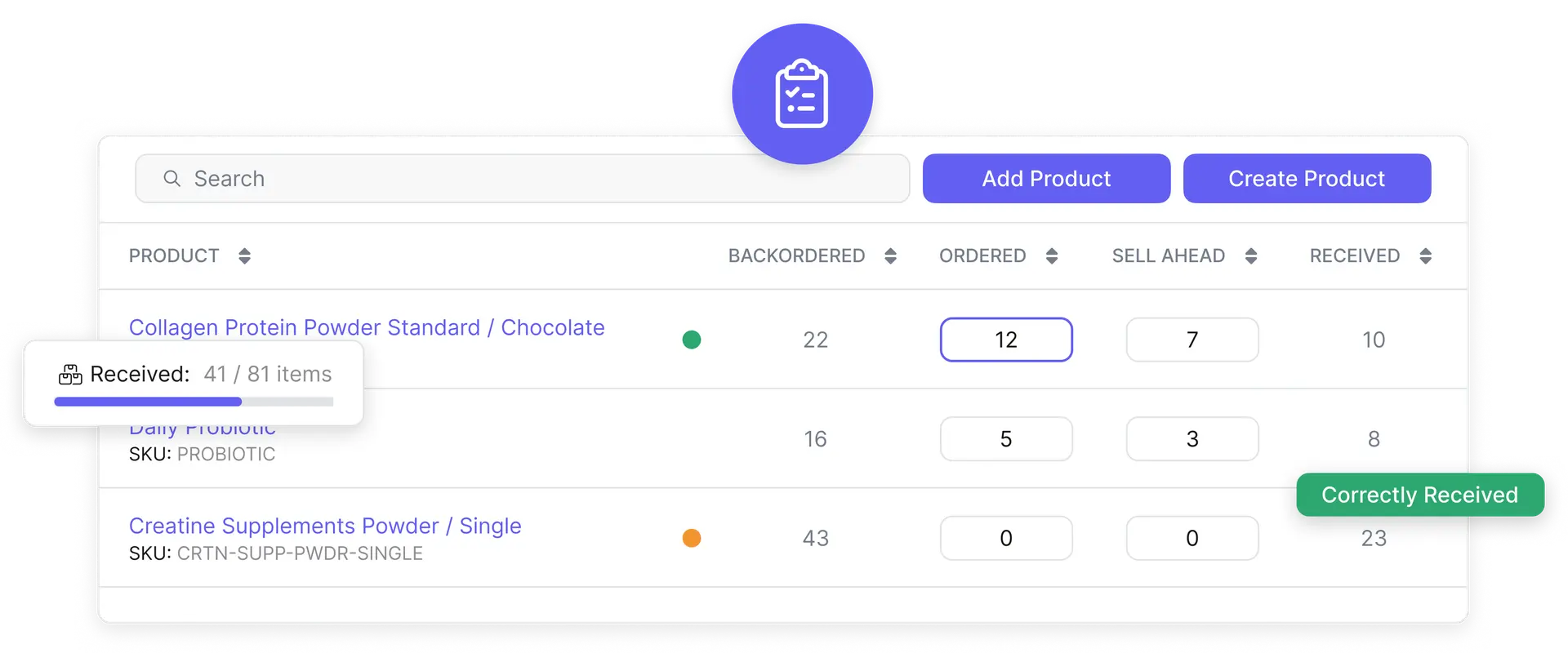
A system like this only helps if the team uses it day to day, which is why a clean, readable interface matters as much as the data behind it.
For apparel brands fighting stock accuracy issues, stranded inventory, or channel-level blind spots, this operating discipline is the main reason a 3PL pays off, and it is where most of the gain shows up.
Frequently Asked Questions
What inventory turnover ratio is considered healthy for apparel?
There is no single healthy number for every apparel brand. Basics usually turn faster than seasonal fashion, and DTC often looks different from wholesale. In many cases, a turnover ratio around 4 to 8 is a solid range to watch, but the better question is this: are your core SKUs turning fast enough without creating stockouts, and are your slow movers tying up too much cash? If turnover keeps dropping, aged inventory usually builds behind it.
Which inventory KPIs should apparel brands track?
Apparel brands should track inventory turnover, sell-through rate, weeks of supply, stockout rate, aged inventory, return rate, and inventory accuracy. It also helps to watch these numbers at the size-color SKU level, not just at the style level.
How do you calculate the apparel sell-through rate?
The sell-through rate shows how much of the inventory you sold during a set period. The formula is: units sold divided by units received, then multiplied by 100. If you received 50,000 units of a style and sold 30,000, your sell-through rate is 60 percent.
When should an apparel brand outsource fulfillment to a 3PL?
It usually makes sense when growth creates warehouse problems that your team cannot keep up with. That can be shipping errors, stock accuracy issues, slow returns processing, or inventory spread across too many channels and locations. If your team spends more time fixing fulfillment issues than planning inventory and supporting growth, it is probably time to consider a 3PL. Fulfillment centers take the day-to-day and long-term operational strategy and growth challenges off your plate so you can focus on your product, marketing, and customer acquisition.
See more articles
%20(1).jpg)





.png)


