


Apparel Shipping Strategies to Cut Costs and Ship Faster
Top posts


The most effective apparel shipping strategy is to treat shipping as a system, not a chore. Fix four things in order: packaging cost, carrier and zone strategy, dispatch speed, and returns handling. Brands that tighten these four usually ship clothes cheaper, faster, and with fewer mistakes within a few weeks, with no outside spend required.
Shipping is rarely one problem. It is a stack of small ones that compound: a box slightly too big, a service level chosen out of habit, a pack bench that slows everyone down, a returns bin nobody wants to touch. Fix them one at a time, and the whole operation gets lighter.
Here is the order to fix them in, and why.
Start By Auditing What Each Order Actually Costs
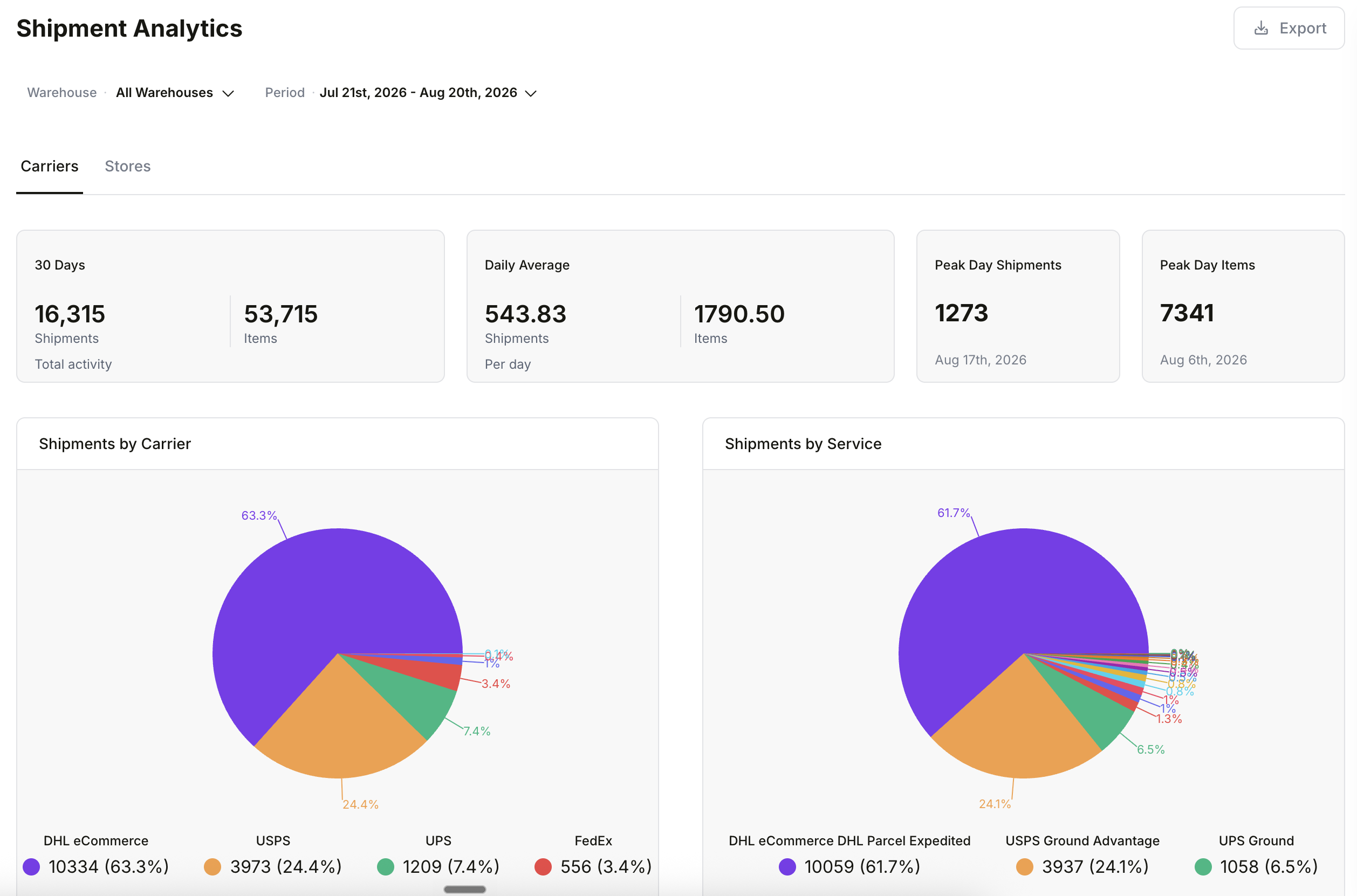
Before optimizing anything, see where the money goes. Pull a week of shipments and look at three numbers per order: packaging cost, carrier cost, and the labor time to pack it.
Most brands have never looked at all three together. When you do, the leaks become obvious. You will almost always find one of these:
- Light items are going out in boxes that trigger oversized rates.
- A single carrier service used for everything, regardless of weight.
- Packing time that balloons during busy stretches because the process is improvised.
That audit is your baseline. Every strategy below is about moving those three numbers down.
Fix Packaging First, Because It Repeats On Every Order
Packaging is the highest-frequency cost you control, so a small fix here pays out thousands of times over.
The decision that matters most is mailer versus box:
- Poly mailers suit soft, durable, single items: tees, knits, leggings, socks. Lighter, cheaper, water-resistant, and they keep you under rate-jumping weight thresholds.
- Boxes suit heavy, structured, delicate, or multi-item orders where garments need protection from crushing and shifting.
Match The Package To The Garment, Then Right-Size It
A common early mistake is buying one box size and forcing everything into it. Oversized packaging costs you twice: more material, and dimensional-weight charges from carriers that bill on volume, not just weight.
Stock a small range that maps to your real catalog, two or three mailer sizes, and two box sizes, and buy in bulk once your volume is steady. Apparel packaging does not expire, so bulk ordering is low-risk and cuts per-unit cost sharply.
If your catalog skews toward light, soft goods, the whole economics of shipping small items is worth understanding, because mailer-first operations have a different cost and handling profile than box-heavy ones.
Build A Real Carrier And Zone Strategy
Most brands overpay on carriers, not because their rates are bad, but because they treat every package the same. The fix is matching the service to the weight and understanding the distance.
A practical domestic starting point:
- Under 1 lb: USPS Ground Advantage is usually the cheapest reliable choice, and most single soft-goods orders fit here.
- 1 to 3 lbs: Compare USPS Priority against UPS Ground; the winner changes by zone.
- Over 3 lbs: Ground services from UPS or FedEx tend to win on heavier boxes.
Distance Is Half Your Bill, So Know Your Zones
Shipping cost rises with the zone a package crosses. If most of your orders ship long-distance from a single location, you are paying a distance penalty on a large share of your volume and may not realize it.
Map your order destinations against shipping zones before you do anything else here. A shipping zone tool turns a vague sense of "we ship everywhere" into a clear picture of where your costs concentrate, which sometimes changes where you decide to hold inventory.
A note on rates you cannot get alone
Published carrier rates are not the rates large shippers pay. Above a certain consistent volume, carriers negotiate, and this is where a 3PL company changes the math: a third-party logistics provider pools volume across many brands, so it carries negotiated rates that an individual brand rarely matches on its own. That pooled-rate advantage is a real part of why outsourced fulfillment often costs less in practice than it looks on paper; the rate savings offset a meaningful share of the fee. You do not need to act on this yet. Just know that shipping solo means paying closer to list price, and that the gap widens as you grow.
Speed Up The Pack-And-Dispatch Loop
Speed is the lever brands underrate, because the cost shows up as lost hours, not line items on an invoice.
One Station, One Repeatable Motion
When a packing operation runs slowly, the bottleneck is rarely effort. It is a messy bench where supplies live in three spots, and every order is improvised.
Set up a single pack station with everything within reach: mailers, boxes, tape, tissue, scale, and label printer. Pack the same way every time. A consistent motion is faster and far less error-prone than figuring it out per order.
Set A Cutoff, Then Batch
- Publish an order cutoff (for example, orders by 1 pm ship same day). It manages customer expectations and lets you work in batches instead of reacting all day.
- Group orders by carrier and service so you print, pack, and hand off in clean runs rather than switching context constantly.
These are small disciplines, but they decide whether shipping runs in the background or swallows your afternoon. Getting the shipping operation to run like a system rather than a scramble is most of the battle.
Get Returns Under Control Before They Get You
Returns are the apparel-specific trap. Clothing comes back more than almost any category, mostly over fit and size, and every return is reverse work: receive, inspect, grade, restock or write off.
What keeps returns from becoming a swamp:
- A clear, public return policy. Spell out the window, the condition, and who pays return shipping. Ambiguity becomes support tickets.
- A deliberate stance on return shipping cost. Prepaid labels help the customer and cost you money. Choose based on your margins, not habit.
- Fast grading and restocking. A returned garment in a bin is frozen cash. The quicker you inspect and return sellable units to stock, the more value you keep.
Done well, returns stop being pure loss and start recovering real value. There is a whole discipline to managing apparel returns so you reclaim resale value instead of writing inventory off, and it is worth building before your volume makes it urgent.
Know The Line Between Improving And Outgrowing
Every strategy above improves your shipping. None of them changes the fact that self-managed shipping has a ceiling.
You are approaching that ceiling when:
- Packing and returns eat more hours than you can spare from product and growth.
- Error rates climb as volume rises because manual checks cannot keep pace.
- Peak season breaks your system every year instead of stretching it.
- You cannot improve your rates at your current volume, and you know it.
When those signals stack, the next move is not another tweak. It is outsourcing fulfillment to an operation built for it.
"After years of running apparel operations, the pattern I see most is that brands do not outsource too early. They outsource too late, after fulfillment has already capped their growth. The math and the lost hours usually point the same way long before a business is willing to admit it. The brands that move at the right moment are the ones that treat fulfillment as core to the customer experience, not a back-room task to defer."
Arsen Janikyan, founder of Ops Engine and former VP of Operations at Buck Mason
Using a 3PL for fulfilling apparel brings pooled carrier rates, returns handled at scale, and capacity that flexes with your season, which is hard to match from a back room.
Ops Engine handles apparel fulfillment as one of its core verticals, combining expertise in size and SKU complexity, fast returns, and a strategically located West Coast fulfillment center.
Until then, work the four strategies in order. They make shipping cheaper, faster, and steadier, and turn any future call on fulfillment into a clear decision rather than a rescue.
FAQs
What is the cheapest way to ship clothes for an eCommerce business?
Start with the package, not the carrier. Soft apparel often ships for less in poly mailers, and shorter shipping zones help cut parcel costs. Brands can also reduce spend through negotiated rates or a 3PL with volume discounts.
How do I reduce return rates for my apparel brand?
Clear size charts, better product photos, fabric details, and fit guidance all help reduce returns. Many brands also track return reasons by SKU to find fit issues, color mismatches, or weak product pages. Fast return processing still matters, since some returns are unavoidable.
What packaging is best for shipping apparel?
Poly mailers work well for soft goods like tees, leggings, and lightweight knitwear. Boxes are better for structured items, premium presentation, or bundles that need more protection. The right choice balances shipping cost, product protection, and brand presentation.
How fast should I ship apparel orders?
Set and publish an order cutoff, then batch orders by carrier so dispatch is consistent. Same-day shipping on orders placed before a cutoff is a realistic standard for a tight operation.
How to ship clothes cheaper without changing carriers?
Match the service level to package weight, right-size packaging to avoid dimensional-weight charges, and buy packaging in bulk. Then map your shipping zones, since distance drives a large share of cost. These changes work within the carriers you already use.
See more articles
%20(1).jpg)




.png)


